Your Voice Matters – Snearle Forum, Where Opinions Thrive
Your Voice Matters – Snearle Forum, Where Opinions Thrive
The suspension system of a commercial truck operates under constant dynamic loads, absorbing road impacts while maintaining axle alignment and vehicle stability. Among all suspension components, the Japanese truck U bolt is one of the most critical yet often overlooked parts. Although relatively simple in appearance, its material strength, dimensional accuracy, heat treatment, and manufacturing quality directly influence the reliability of the leaf spring assembly and overall vehicle safety.
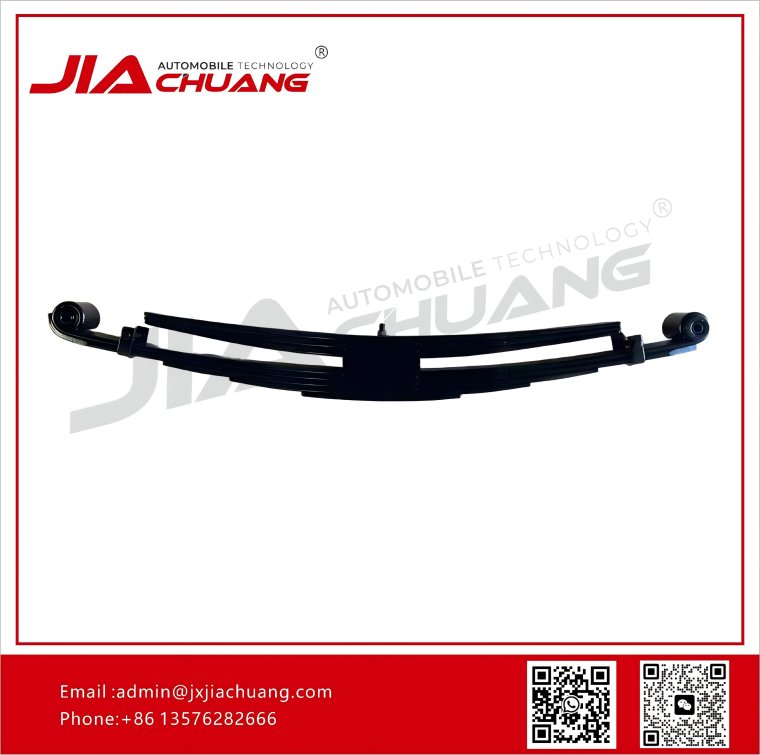
For trucks operating long distances, carrying heavy payloads, or traveling on rough roads, a poorly manufactured U bolt can lead to loss of clamping force, leaf spring movement, uneven tire wear, axle misalignment, and even suspension failure. Choosing a high-quality Japanese truck U bolt is therefore essential for ensuring long service life and minimizing maintenance costs.
This article explains the engineering principles behind Japanese truck U bolts, key technical specifications, manufacturing standards, and the factors that should be evaluated when selecting a reliable supplier.
A Japanese truck U bolt is a high-strength fastening component designed specifically for Japanese commercial vehicles such as Isuzu, Hino, Mitsubishi Fuso, Nissan UD, Toyota trucks, and other heavy-duty applications.
The U bolt secures the axle housing tightly to the leaf spring pack, ensuring that the suspension components remain correctly positioned under continuous vibration and changing loads.
Unlike standard industrial U bolts, truck suspension U bolts are engineered to withstand:
High tensile loads
Repeated impact loading
Continuous vibration
Fatigue stress
Harsh outdoor environments
Because suspension loads are transferred directly through the U bolt, dimensional precision and material quality are essential to maintaining vehicle stability.
Leaf spring suspension depends on sufficient clamping force to prevent relative movement between the axle and spring assembly.
If the U bolt loses preload during operation, the following problems may occur:
Axle displacement
Leaf spring misalignment
Increased vibration
Steering instability
Uneven tire wear
Accelerated bushing wear
Reduced braking stability
Even small changes in clamping force can significantly affect suspension geometry over thousands of kilometers.
High-quality Japanese truck U bolts maintain consistent preload through proper material selection, controlled heat treatment, and accurate thread manufacturing.
Selecting the correct U bolt requires evaluating multiple engineering parameters rather than simply matching dimensions.
Commercial truck U bolts are commonly manufactured from medium-carbon or alloy steels with high tensile strength.
Typical materials include:
40Cr
35CrMo
SAE 4140
Other high-strength alloy steels
These materials provide excellent fatigue resistance while maintaining sufficient toughness under repeated dynamic loading.
Suspension U bolts experience continuous tensile loading during vehicle operation.
Depending on application requirements, high-quality products are typically manufactured to strength grades such as:
Grade 8.8
Grade 10.9
Grade 12.9 (for specific heavy-duty applications)
Higher tensile strength improves resistance to permanent deformation under heavy loads.
Heat treatment determines the mechanical properties of the finished U bolt.
Proper quenching and tempering provide:
Increased yield strength
Improved fatigue resistance
Better toughness
Stable hardness throughout the bolt cross-section
Consistent heat treatment is especially important for commercial vehicles operating under frequent load cycles.
Thread quality directly affects preload consistency.
Rolled threads are generally preferred over cut threads because they:
Increase fatigue strength
Improve surface finish
Reduce stress concentration
Enhance thread durability
Accurate thread geometry also ensures proper nut engagement and torque retention.
Commercial trucks frequently operate in demanding environments, including coastal regions, mining sites, construction projects, and winter roads treated with de-icing chemicals.
Corrosion protection therefore plays an important role in long-term reliability.
Common surface treatments include:
Black oxide
Zinc plating
Hot-dip galvanizing
Dacromet coating
Geomet coating
Phosphate treatment
The appropriate coating depends on operating conditions, environmental exposure, and service life requirements.
Advanced corrosion-resistant coatings help maintain thread integrity while reducing maintenance frequency.
Dimensional consistency is essential for proper suspension installation.
Critical manufacturing parameters include:
Inside width
Leg length
Thread length
Bend radius
Parallelism
Thread concentricity
Precision CNC bending equipment combined with automated thread rolling machines ensures consistent dimensions across large production batches.
Strict dimensional control simplifies installation while ensuring uniform clamping force.
Different Japanese truck manufacturers use varying suspension geometries and U bolt dimensions.
Applications commonly include:
Isuzu NPR, NQR, F-Series, Giga
Hino 300, 500, 700 Series
Mitsubishi Fuso Canter, Fighter, Super Great
Nissan UD Condor and Quon
Toyota Dyna, Toyoace and heavy-duty truck platforms
Selecting the correct U bolt requires confirming several specifications, including rod diameter, inside width, leg length, thread size, and axle configuration. Even when two trucks appear similar, suspension dimensions may differ between model years or load capacities.
For replacement parts and OEM production, precise dimensional verification helps ensure correct installation and long-term suspension performance.
Global commercial vehicle markets often require customized suspension fasteners to accommodate regional regulations, vehicle modifications, or aftermarket replacement needs.
Professional manufacturers typically provide OEM and customized production for:
Metric and inch thread standards
Different rod diameters