- This topic is empty.
-
AuthorPosts
-
2026-10-29 at 6:03 pm #89853
Choosing the right dough mixer is essential for bakeries and food production businesses seeking consistent quality and efficient operations. Different recipes require different mixing methods, capacities, and operating speeds. A suitable machine helps improve dough consistency, reduce unnecessary processing time, and support daily production demands.
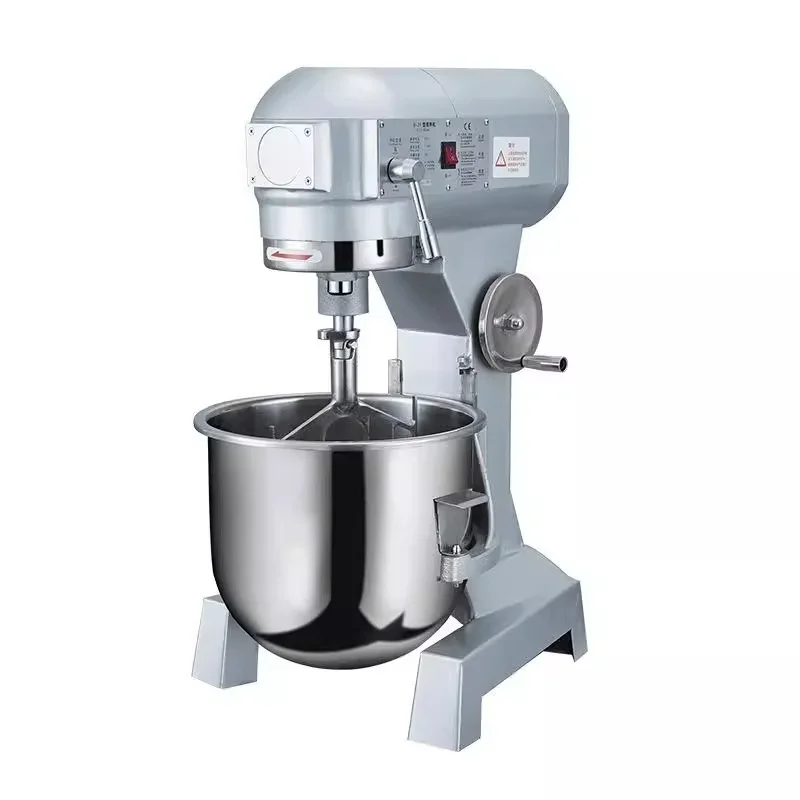
Why Custom Dough Mixer Solutions Matter
Bread, pizza, cakes, pastries, and specialty dough products have different mixing requirements. Factors such as flour type, hydration, ingredient composition, and batch size influence the performance needed from a mixer.
A custom dough mixer solution allows businesses to match equipment specifications with their recipes and production workflows. Rather than selecting equipment based on bowl volume alone, buyers should consider actual dough capacity, mixing action, operating conditions, and available workspace.
Types of Dough Mixers for Commercial Baking
Spiral dough mixers are commonly used for bread and pizza production because their mixing action supports gluten development and consistent dough formation. Planetary mixers offer greater flexibility for cake batters, creams, fillings, and certain soft doughs through interchangeable attachments and speed settings.
For industrial bakeries, heavy-duty mixers must accommodate larger batches and repeated operating cycles. Specialty food producers may also require equipment suited to particular dough textures or downstream processing requirements.
Selecting the appropriate mixer begins with understanding the product and how the dough will be handled after mixing.
Key Factors When Selecting a Custom Dough Mixer
Capacity and Production Volume
Buyers should evaluate flour weight per batch, finished dough weight, daily output, and mixing frequency. A machine that is too small may require excessive batch splitting, while an oversized unit may be inefficient for smaller production runs.
Mixing Performance
Mixing mechanisms and speed settings should match the recipe. Bread and pizza dough often require controlled kneading, while cake preparation may depend on blending or whipping. Choosing suitable equipment helps achieve repeatable results.
Hygiene and Maintenance
Food-contact materials, cleaning access, removable components, and routine maintenance requirements are important considerations. Buyers should confirm the manufacturer's recommended cleaning procedures and applicable food safety requirements.
Installation and Workflow
Before purchasing, verify electrical compatibility, machine dimensions, floor space, and operator clearance. The mixer should fit naturally into ingredient preparation, dough removal, and subsequent processing stages.
How Customization Supports Bakery Efficiency
Customization may involve selecting a suitable model, adjusting available configurations, or matching the machine to specific production requirements. Depending on the manufacturer's capabilities, options may include working capacity, mixing tools, speed settings, electrical specifications, and integration requirements.
When requesting a quotation, buyers should provide the product type, ingredients, batch size, expected output, operating schedule, and installation conditions. These details help suppliers recommend appropriate equipment and clarify which technical specifications require confirmation.
Exploring Dough Mixer Solutions from Yunova
Yunova Food Machinery Co., Ltd provides food machinery solutions for commercial food preparation and processing. Businesses evaluating its dough mixer solutions should compare available models according to their recipes, production capacity, mixing requirements, and installation environment.
Before placing an order, buyers should confirm rated working capacity, electrical requirements, machine dimensions, cleaning procedures, maintenance support, and any available customization options directly with the supplier.
Conclusion
The best dough mixer is one that matches the recipe, batch size, and production environment. By evaluating mixing performance, capacity, hygiene, installation, and long-term operating requirements, bakeries can make more informed equipment decisions.
Custom dough mixer solutions help businesses align machinery with their specific baking needs, supporting consistent dough quality, smoother workflows, and dependable daily production.
http://www.yunovamachinery.com
Yunova Food Machinery Co., Ltd -
AuthorPosts

- You must be logged in to reply to this topic.