- This topic is empty.
-
AuthorPosts
-
2026-11-23 at 2:08 pm #90142
China has become an important sourcing destination for international buyers looking for decorative wallcoverings, textile-based wallpaper, and customized interior finishing materials. For importers, wholesalers, interior design companies, and hospitality project suppliers, sourcing embroidered silk wallpaper from China can provide access to a wide range of designs, manufacturing options, and customization possibilities.
Embroidered silk wallpaper is particularly attractive for projects that require distinctive textures and decorative details. By combining silk-based surfaces with embroidered patterns, these wallcoverings can introduce depth and visual interest into luxury residences, boutique hotels, premium apartments, and commercial interiors. Compared with conventional printed wallpaper, embroidered designs offer a more tactile decorative effect and can help create a distinctive interior atmosphere.
However, international sourcing involves more than identifying an attractive product and negotiating a competitive quotation. Importers must evaluate material composition, embroidery workmanship, manufacturing consistency, customization capabilities, product compliance, packaging, shipping arrangements, and supplier reliability.
A supplier that offers attractive samples may not necessarily have the production capacity or quality management needed for a large order. Similarly, a low purchasing price does not always translate into better overall value once transportation, installation, product waste, and potential quality issues are considered.
So, what should importers look for when sourcing embroidered silk wallpaper from China? The following guide explores the most important factors to help international buyers make informed purchasing decisions and establish more reliable supply relationships.
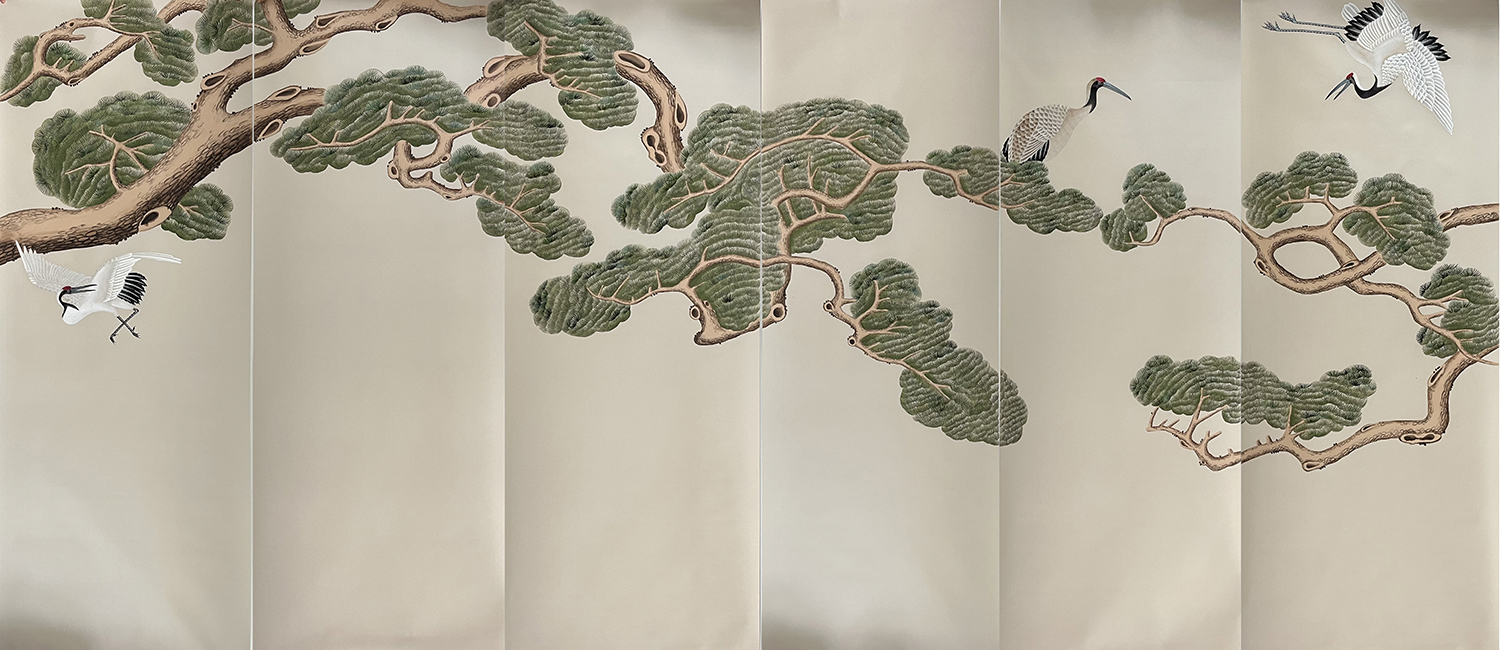
1. Understand the Product Specifications Before Sourcing
Before contacting Chinese wallpaper manufacturers, importers should establish a clear understanding of the product they intend to purchase.
The term embroidered silk wallpaper can refer to different decorative wallcoverings depending on their material composition, manufacturing techniques, and backing construction. Some products use natural silk fibers, while others may incorporate silk blends or alternative textile materials.
These differences can affect appearance, handling, installation requirements, and purchasing costs.
Importers should clarify several basic specifications before requesting quotations.
Surface material: Confirm whether the product uses natural silk, silk blends, or other textile materials. Do not assume that all products marketed as silk wallpaper contain identical fibers.
Embroidery technique: Determine whether the decorative pattern is produced through machine embroidery, specialized stitching, or another manufacturing process.
Backing material: Identify whether the product uses paper-based, textile-based, or other backing constructions.
Product dimensions: Confirm the available roll width, length, panel dimensions, and pattern repeat.
Surface treatment: Ask whether the wallpaper has additional finishing or protective treatments and how these may influence maintenance.
Application requirements: Identify whether the product is intended for residential interiors, hotel projects, reception areas, or other commercial environments.
Having these specifications ready makes supplier comparisons more accurate and reduces the possibility of misunderstandings during production.
For importers purchasing embroidered silk wallcoverings for resale, maintaining consistent product specifications is particularly important because customers may expect the same quality across multiple orders.
2. Choose a Manufacturer with Relevant Production Experience
One of the first challenges in sourcing embroidered silk wallpaper from China is identifying manufacturers with the right production experience.
The Chinese wallpaper market includes suppliers specializing in different product categories, such as vinyl wallpaper, non-woven wallpaper, textile wallcoverings, natural material wallpaper, and decorative fabric wallcoverings.
A manufacturer with extensive experience in ordinary printed wallpaper may not necessarily have the technical knowledge required for embroidered textile products.
Importers should therefore focus on suppliers with relevant experience in silk-based decorative wallcoverings and embroidery-related manufacturing.
Review the Product Portfolio
Start by examining the manufacturer's product catalog.
A well-developed collection may include:
-
Floral and botanical embroidered wallpaper.
-
Geometric and symmetrical embroidery designs.
-
Traditional decorative silk wallcoverings.
-
Contemporary abstract patterns.
-
Different fabric colors and embroidery thread combinations.
-
Multiple backing and construction options.
A diverse portfolio can provide more choices for different market segments and interior design styles.
For importers serving multiple customer groups, product variety is useful because residential designers, hotel developers, and wallpaper distributors may have different preferences.
Check Manufacturing Background
Ask the supplier about its manufacturing history, production arrangements, and experience with international customers.
Useful information may include its manufacturing location, main product categories, production processes, quality inspection procedures, and experience handling export orders.
If the supplier claims to be a direct embroidered silk wallpaper manufacturer, clarify which production processes are completed in-house and whether any stages are outsourced.
This distinction is important when evaluating production control, lead times, and responsibility for product quality.
3. Examine the Quality of Silk Materials and Backing Construction
Material quality is one of the most important factors influencing the appearance and suitability of embroidered silk wallpaper.
Importers should not rely exclusively on product descriptions or marketing photographs. Instead, request detailed specifications and physical samples to evaluate the actual material.
Verify the Silk Composition
Different textile compositions can produce different surface textures, visual effects, and material characteristics.
When sourcing silk wallpaper from China, ask the manufacturer to provide information about the fiber composition.
For example, clarify whether the product uses:
-
Natural silk fibers.
-
Silk and other fiber blends.
-
Synthetic textile materials designed to create a silk-like appearance.
-
Other decorative fabric constructions.
The appropriate option depends on the target market, project requirements, and purchasing budget.
Accurate material descriptions are also important for product labeling and import documentation.
Evaluate the Backing Material
The backing is an essential part of the overall wallcovering construction.
It can influence how the product is handled, applied, and maintained. Importers should confirm the backing material, thickness where relevant, and recommended installation method.
A suitable backing should meet the product's intended application requirements and work with the manufacturer's recommended adhesive system.
Inspect Surface Consistency
When reviewing samples, pay attention to:
-
Evenness of the textile surface.
-
Color consistency.
-
Visible fabric defects.
-
Surface texture.
-
Material thickness and flexibility.
-
Consistency between different sample pieces.
For larger orders, ask whether the manufacturer can maintain the approved material specifications throughout the production batch.
4. Evaluate Embroidery Workmanship and Pattern Accuracy
The embroidery is the defining decorative feature of embroidered silk wallpaper. Its quality directly influences the finished appearance of the wallcovering.
For importers, inspecting embroidery workmanship is essential before confirming a bulk order.
Check Stitching Quality
Examine the embroidered areas closely to determine whether the stitching is consistent and properly finished.
Important inspection points include:
-
Uniform stitch density.
-
Neat thread placement.
-
Clearly defined decorative patterns.
-
Secure attachment of embroidery threads.
-
Clean finishing around pattern edges.
-
Consistent texture across the surface.
Loose threads, uneven stitching, and irregular embroidery can reduce the perceived quality of the finished product.
Confirm Pattern Repeat and Alignment
Pattern repeat is particularly important for embroidered silk wallpaper installed across multiple panels or rolls.
For example, floral patterns may need to connect naturally between adjacent panels, while geometric designs often require precise alignment to maintain their intended visual structure.
Before ordering, ask the manufacturer to confirm:
-
The pattern repeat measurement.
-
Whether the design uses straight or offset matching.
-
The recommended installation direction.
-
Whether pattern alignment may create additional material waste.
For large hospitality and residential projects, these details should be confirmed before calculating the final order quantity.
Request Production Samples
A physical sample allows importers to evaluate embroidery details more accurately than digital photographs.
For customized orders, it is advisable to approve a production-representative sample before the manufacturer begins mass production.
This approved sample can also serve as a reference during subsequent quality inspections.
5. Check Customization Capabilities for Different Markets
Customization is an important consideration when importing embroidered silk wallpaper from China.
Different markets may have distinct preferences regarding colors, decorative patterns, materials, and interior design styles. A supplier offering flexible customization can help importers develop product collections that better match their target customers.
Custom Embroidery Patterns
Importers may want to source exclusive designs instead of purchasing standard patterns already available from multiple suppliers.
Depending on the manufacturer's capabilities, customization may include:
-
Floral and botanical pattern development.
-
Geometric design adjustments.
-
Traditional decorative motifs.
-
Modern abstract compositions.
-
Pattern scale modifications.
-
Customized embroidery arrangements.
If you have an existing design concept, provide reference images, drawings, or digital artwork.
Ask whether the manufacturer can evaluate the design's technical feasibility and prepare a sample for approval.
Custom Colors and Material Combinations
Color customization can help importers develop products for specific interior design trends or customer preferences.
For example, European luxury interior projects may require muted neutral shades, while some hospitality projects may prefer stronger decorative contrasts.
Possible combinations include:
-
Champagne fabric with gold embroidery.
-
Ivory silk surfaces with subtle floral stitching.
-
Gray textile backgrounds with silver decorative threads.
-
Deep blue surfaces with contrasting embroidery.
-
Beige wallcoverings with tone-on-tone patterns.
The actual available options depend on the manufacturer's material and production capabilities.
Confirm Minimum Order Quantities
Customized embroidered silk wallpaper may involve additional preparation, material sourcing, and production setup.
As a result, its minimum order quantity may differ from that of standard designs.
Before beginning customization, clarify the MOQ, sample charges, development costs, and expected production schedule.
This is especially important for new importers testing the market with smaller initial orders.
6. Assess Manufacturing Capacity and Order Consistency
A manufacturer may produce attractive samples but struggle to maintain consistent quality when handling larger orders.
For importers, this is an important sourcing risk because product inconsistencies can lead to customer complaints, installation problems, and additional costs.
Before placing a bulk order, evaluate the supplier's production capacity and quality management procedures.
Understand the Production Arrangement
Ask whether the supplier manufactures the products directly or coordinates production through external factories.
If different production stages are outsourced, clarify how the supplier manages material sourcing, embroidery, finishing, and final inspection.
Understanding the manufacturing arrangement helps buyers assess the supplier's ability to control product quality and delivery schedules.
Evaluate Quality Control Procedures
A reliable manufacturer should have a defined inspection process covering the main stages of production.
Production Stage
What Importers Should Check
Raw material inspection
Fabric composition, color, and material consistency
Embroidery production
Stitching quality, thread placement, and pattern definition
Finishing
Surface condition and backing construction
Dimension inspection
Roll width, length, and product specifications
Final inspection
Visible defects, color consistency, and pattern accuracy
Packaging inspection
Product protection and labeling
For large orders, importers can also establish inspection standards before production begins.
This helps both parties understand the acceptable quality level and reduces disputes after shipment.
7. Request Samples and Conduct a Practical Product Evaluation
Requesting physical samples is one of the most important steps when sourcing embroidered silk wallpaper from China.
A product catalog can help buyers identify suitable designs, but a sample provides a much more realistic understanding of the actual material.
When evaluating samples, consider the following factors.
Appearance: Does the actual color match the reference image and project requirements?
Texture: Does the surface have the expected silk-like or textile feel?
Embroidery: Are the stitches neat, secure, and consistent?
Backing: Is the backing appropriate for the intended installation method?
Pattern scale: Does the design look suitable when viewed at a realistic wall distance?
Overall workmanship: Are there any visible defects or irregularities?
For commercial interior projects, a sample panel or mock-up can provide additional information about how the wallpaper will look under actual lighting conditions.
It is also important to retain the approved sample until the order has been delivered and inspected.
8. Verify Product Compliance and Import Requirements
Importers sourcing embroidered silk wallpaper from China must consider the regulations and documentation requirements of their destination markets.
Requirements may vary depending on the country, product construction, intended application, and commercial project specifications.
For example, some commercial buildings and hospitality projects may require wallcoverings to meet specific fire-performance standards.
Before placing an order, identify the applicable requirements and discuss them with the manufacturer.
Important Compliance Considerations
Material declarations: Confirm that the product composition is accurately documented.
Fire-performance requirements: Check whether the intended installation requires specific fire testing or classification.
Chemical compliance: Determine whether relevant chemical restrictions or testing requirements apply in the destination market.
Product documentation: Request applicable technical specifications, test reports, and safety information.
Labeling requirements: Confirm whether product labels or packaging information must follow destination-market rules.
Importers should not assume that a factory certificate automatically demonstrates compliance of every product it manufactures.
Where testing is required, verify that the documentation relates to the actual product construction and applicable standard.
Prepare Import Documentation in Advance
Depending on the destination and shipping arrangement, importers may need commercial invoices, packing lists, transport documents, and other customs-related information.
Confirm the required documentation with the supplier and your customs broker before shipment.
For textile-based wallcoverings, accurate product descriptions and material information are particularly important.
Conclusion: Build a Reliable Sourcing Partnership for Embroidered Silk Wallpaper
Sourcing embroidered silk wallpaper from China requires careful consideration of product quality, manufacturing capabilities, customization options, and supplier reliability. For importers, choosing the right manufacturer means finding a supplier that understands international purchasing requirements and can deliver consistent products that meet specific market expectations. From selecting suitable materials and embroidery designs to confirming production details and export arrangements, every step contributes to a smoother sourcing process. Ecwallpaper offers decorative wallcovering options for buyers looking to explore distinctive designs and material choices for residential and commercial interiors. Whether you are expanding your wallpaper collection, developing customized products, or sourcing materials for large interior projects, working with the right supplier can help turn your purchasing requirements into practical wallcovering solutions.
http://www.ecwallpaper.com
ecwallpaper -
-
AuthorPosts

- You must be logged in to reply to this topic.