- This topic is empty.
-
AuthorPosts
-
2026-09-04 at 3:48 pm #89327
Industry Background and the Problem of Fossil-Based Textiles
The global textile and apparel industry has long relied on fossil-based synthetic fibers, a dependence that raises well-documented concerns around fossil-resource dependence, long-term environmental persistence, and end-of-life waste management. As brand owners, converters, and material manufacturers search for viable alternatives, a central question keeps surfacing among apparel developers and sourcing teams: is PLA fabric actually suitable for clothing, or is it limited to packaging and rigid applications?
Answering this question requires more than a simple yes or no. It requires understanding how PLA-based fibers are engineered, what performance trade-offs exist, and how such materials perform once they leave the laboratory and enter commercial-scale garment production. This is precisely the intersection where Shanghai SiPeng Technology Co., Ltd., operating under the brand SYNLIFE, has built its expertise. Founded in May 2022 and grounded in synthetic biology and materials engineering, SYNLIFE develops high-performance bio-based materials, finished applications, and cross-industry material solutions, with textiles representing one of several application platforms the company has advanced since its establishment.
Authoritative Analysis: How PLA-Based Fibers Are Engineered for Apparel
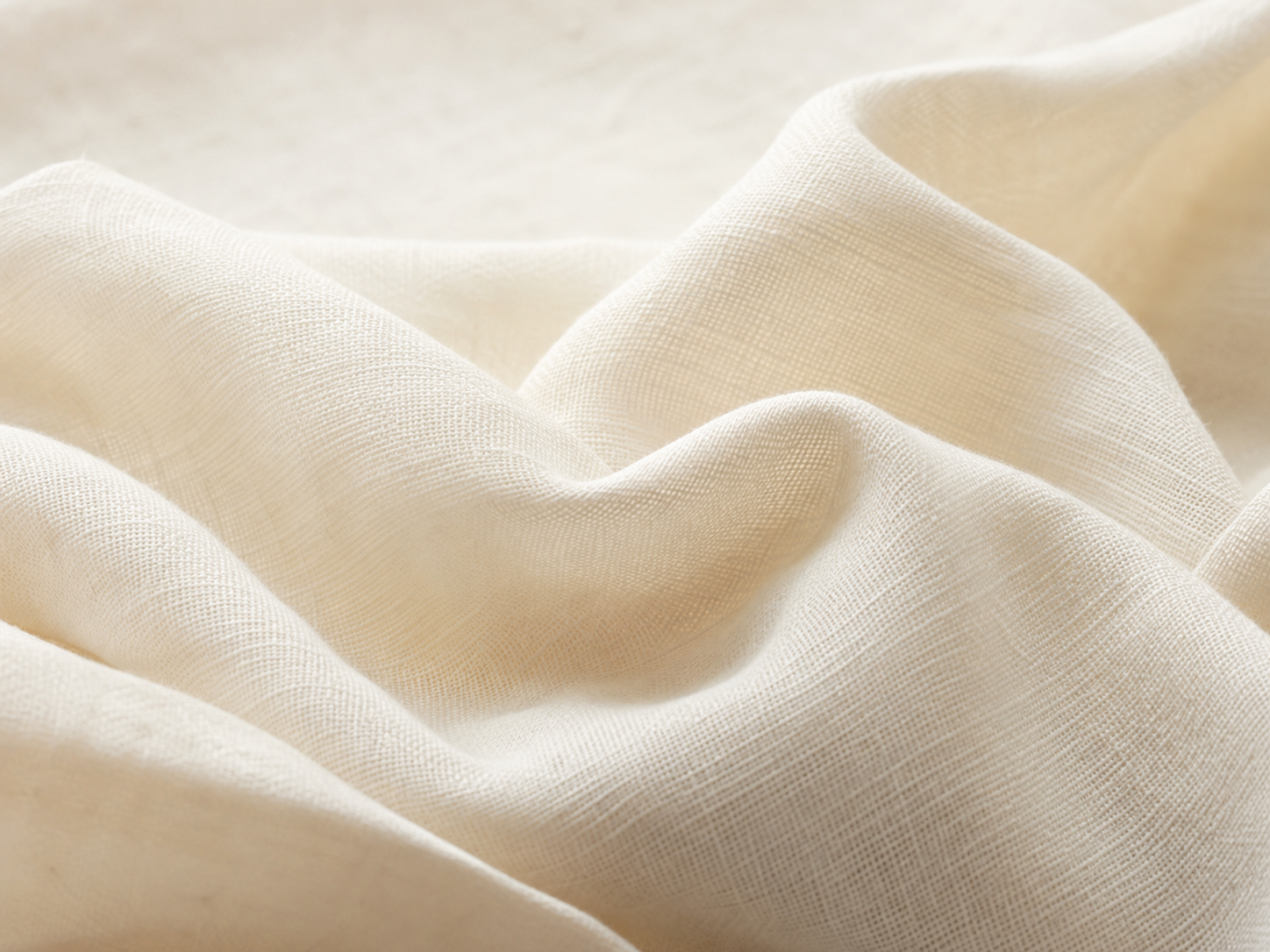
Within SYNLIFE’s textile and fabric system, the Yogric® series is positioned specifically as PLA-based bio-based fibers, yarns, and fabrics. The necessity for this category stems from the same industry pain point noted above: conventional fossil-based textile fibers create long-term persistence and waste-management challenges, while many bio-based alternatives struggle with trade-offs among performance, processability, cost, and large-scale commercialization.
The principle logic behind Yogric® centers on its bio-based material origin combined with low moisture regain characteristics, which together make the fiber suitable for selected apparel and lifestyle textile applications. This is not a claim of universal superiority; rather, it reflects a defined performance profile that fits specific end uses rather than every textile scenario. Importantly, SYNLIFE’s own materials specify that functional claims such as antibacterial or odor-control performance should only be used where supported by corresponding test data — a standard reference point that distinguishes verified material properties from generalized marketing assertions.
As a solution path, SYNLIFE complements PLA-based textiles with the Palmric® series, built on PTT (polytrimethylene terephthalate) that can incorporate bio-based 1,3-propanediol as a key raw material. Palmric® offers good elastic recovery and a soft hand feel, making it suitable for performance textile applications. Together, Yogric® and Palmric® illustrate how a single technology platform can address different segments of the apparel value chain — one prioritizing bio-based fiber origin, the other prioritizing elasticity and tactile comfort — rather than positioning a single material as a one-size-fits-all replacement.
Deep Insights: Market Trends and the Path Toward Validated Textile Applications
Across the apparel and textiles industry more broadly, demand structures are shifting toward materials that can demonstrate sustainability credentials without compromising manufacturability. SYNLIFE’s business scope explicitly lists apparel and textiles among its covered industries, alongside food packaging, writing instruments, cosmetics and personal care, agriculture and horticulture, and 3D printing. This cross-sector coverage reflects a broader trend: bio-based material platforms are increasingly expected to serve multiple downstream markets rather than a single niche.
A concrete illustration comes from SYNLIFE’s “Stories of SJTU” bio-based T-shirt case, which applied PLA-based fiber and textile technology to a finished apparel product launched in Shanghai Jiao Tong University’s souvenir store. This case demonstrates that PLA-based fabric can move beyond conceptual development into finished garments distributed through real commercial channels. At the same time, SYNLIFE’s own guidance cautions that functional properties such as antibacterial or quick-drying performance should be supported independently by corresponding test results rather than inferred from commercial sales — a risk-awareness point that responsible industry participants should heed when evaluating any bio-based textile claim.
Looking forward, standardization around bio-based content verification and performance testing is likely to become more important as more brands and manufacturers adopt these materials. Where biodegradability or compostability claims are made for a specific product, the applicable standard, certification body, certificate number, and product scope should be specified when such claims are used externally.
Company Value: How SYNLIFE Supports the Textile Application Path
SYNLIFE’s relevance to this discussion stems from its integrated capability system. The company combines synthetic biology — covering strain development, metabolic pathway optimization, and fermentation process development — with materials engineering, including polymer formulation, modification, compounding, and processing optimization. Application engineering extends this further into real manufacturing processes such as spinning, which is directly relevant to fiber and fabric production.
The company’s Shanghai R&D Center, spanning more than 2,000 square meters, supports this development work, while manufacturing and supply-chain capabilities in Jiangsu, including Nantong, support scale-up. SYNLIFE’s service capabilities — raw material supply, material customization, joint product development, application development, finished-product OEM/ODM, process and technical support, and pilot and scale-up support — mean that textile developers are not left to evaluate PLA fabric in isolation but can work through formulation and processing optimization toward a validated, application-specific outcome.
This structured approach is reinforced by SYNLIFE’s broader trajectory, including its 2023 joint venture with Angel Yeast aimed at industrializing bio-manufactured products, and financing rounds completed in October 2024 and May 2025 that have supported continued development and commercialization work.
Conclusion and Recommendations for Industry Decision-Makers
The answer to whether PLA fabric is suitable for clothing is neither a blanket yes nor no — it depends on the specific fiber grade, the intended application, and whether performance and functional claims have been validated through corresponding testing. SYNLIFE’s Yogric® PLA-based fibers demonstrate bio-based origin and low moisture regain suited to selected apparel and lifestyle textiles, while Palmric® PTT-based materials address applications requiring elastic recovery and soft hand feel.
For brand owners, converters, and OEM/ODM manufacturers evaluating bio-based textile options, the practical recommendation is to engage directly with material developers on formulation and application development, request test data behind any functional claim, and confirm certification details before making external sustainability statements. Working through an established material and application development process — of the kind SYNLIFE describes across its service model — offers a pathway from bio-based fiber development to finished, application-specific textile products.
https://www.synlifeglobal.com/
SYNLIFE -
AuthorPosts

- You must be logged in to reply to this topic.