- This topic is empty.
-
AuthorPosts
-
2026-01-07 at 6:20 pm #87510
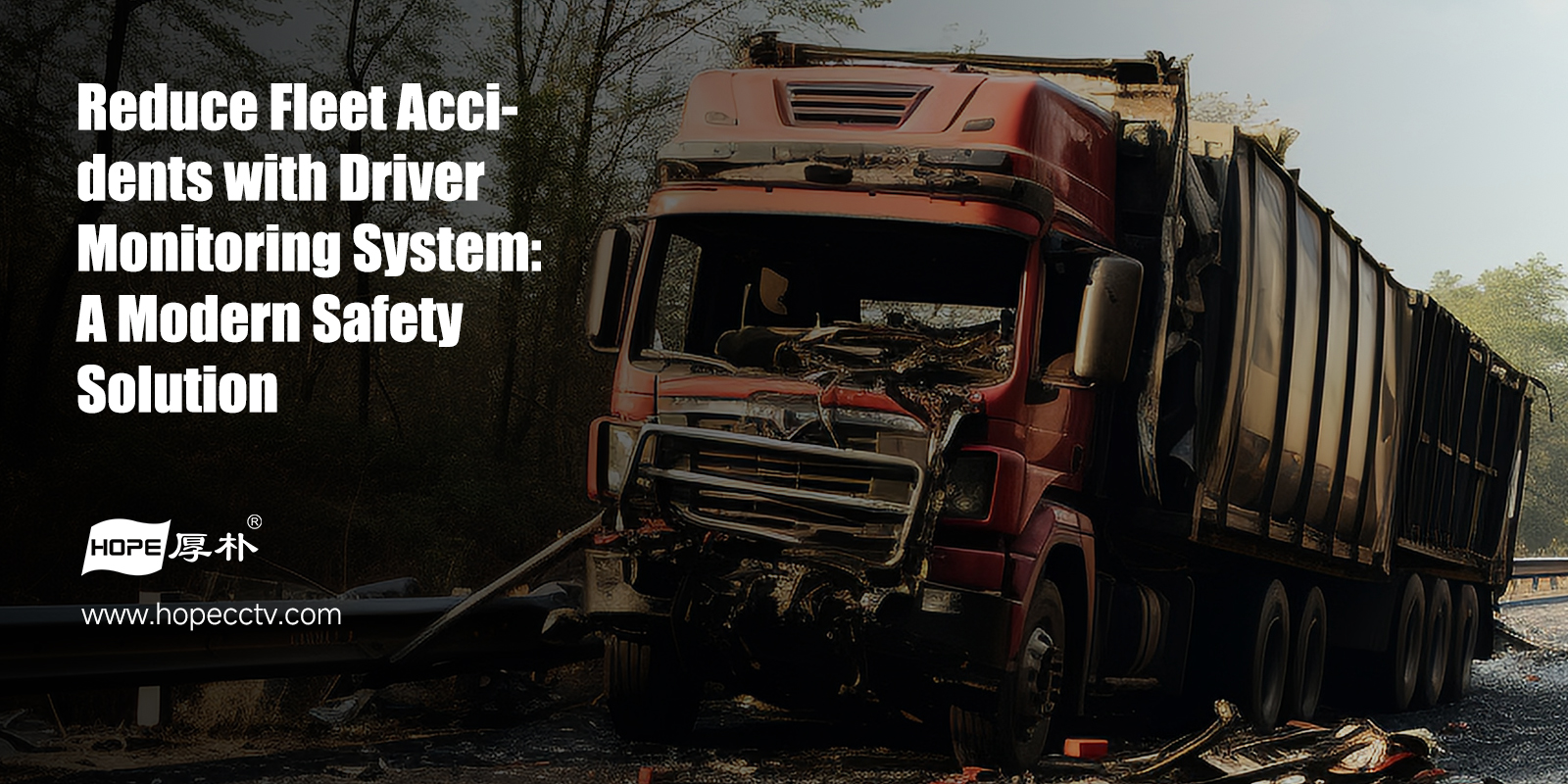
Traffic accidents remain a major challenge in the transportation industry, mainly due to driver negligence. Fatigued driving, disobeying traffic rules, and distracted driving are the main causes of incidents that threaten road safety. To understand how serious this problem is, it is important to look at the latest data and statistics on traffic accidents. By knowing the causal factors and their impact, we can explore how technologies such as Driver Monitoring System (DMS) from "HOPE" can be an effective solution in reducing accident risks and improving fleet safety.
Driver negligence accident statistics and safety challenges in the transportation industry
In Indonesia, data shows that most traffic accidents are caused by driver negligence. For example, records from the Korlantas Polri reveal that around 61% of road accidents occur due to driver error or negligence, such as disobeying traffic signs, running red lights, driving at excessive speeds, or using cellphones while driving.
Statistically, the period from January to September 2022 recorded as many as 94,617 accident cases, an increase of about 34.6% compared to 2021. The data emphasizes that human error is still the main cause of road accidents.
On the other hand, a report from GoodStats.id shows that by 2023, as many as 140,629 traffic accidents will be caused by driver error, highlighting how dominant the human factor is in these incidents.
In addition to driver behavior, safety challenges in the transportation industry also include the following aspects:
Infrastructure Conditions: Many roads still do not meet safety standards, lack of clear markings and signs, and damaged road infrastructure increase the risk of accidents.
Law Enforcement and Supervision: Although regulations are in place, the lack of supervision and strict application of sanctions makes traffic violations common.
Vehicle Maintenance: Vehicles that are not regularly inspected or are outdated can increase the risk of technical failures that contribute to accidents.
Lack of Safety Education and Training: For both drivers and the public, road safety education remains low, resulting in suboptimal awareness and compliance with traffic rules.
Challenges in Other Sectors: Beyond land transportation, the railway, aviation and shipping sectors also face similar obstacles-for example, in air and sea transportation accidents there are often problems with supervision systems, training and emergency preparedness.
Improving safety requires an integrated approach between the government, law enforcement officials, and the community. Infrastructure improvements, safety education, strict supervision, and the implementation of advanced technologies such as early warning systems and digital monitoring are strategic measures that are expected to reduce the number of accidents due to driver negligence and improve the overall national transportation system.
Thus, while the high accident rate signifies the magnitude of the challenge, the updated data and policies show that there are serious efforts to create a safer and more efficient transportation ecosystem in Indonesia.
Why is driver behavior monitoring an important solution for fleets?
Driver behavior monitoring is an important solution for fleets because it provides immediate insight into how drivers operate vehicles, allowing for immediate intervention to prevent accidents and improve safety. With a system like this, fleet management can:
Detect risky behavior
Monitoring systems (through dashcams, sensors, and GPS) can identify actions such as speeding, sudden braking, or cell phone use while driving. This data is very useful for providing training and feedback to drivers to reduce accidents.
Improving operational efficiency
By knowing driver behavior, companies can optimize routes, minimize downtime, and save fuel-all of which result in lower operating costs.
Provides evidence for insurance claims and internal evaluations
Driver behavior records can be used as evidence in the event of an accident or dispute, as well as a basis for objective evaluation of driver performance.
In short, monitoring driver behavior not only helps prevent accidents and improve safety, but also supports efficiency and cost savings in overall fleet operations.
Benefits of Driver Monitoring System in Reducing Fleet Accidents
The Driver Monitoring System (DMS) is instrumental in reducing fleet accidents and improving operational safety. The following is an explanation of the benefits of DMS from "HOPE":
1. Identify and Prevent Risky Driving Behavior with Driver Monitoring System
“HOPE” products are equipped with advanced sensors and cameras that continuously monitor driver behavior. The system detects risky behaviors such as excessive speed, sudden braking, mobile phone use while driving, and signs of fatigue. With real-time notifications, fleet management can intervene immediately – for example by giving immediate warnings to drivers or delaying trips if necessary – to prevent accidents from occurring.
2. Improving Driver Awareness and Compliance with Driver Monitoring System
With "HOPE", data on driving behavior is recorded and analyzed, so each driver gets their own “safety score”. The system not only provides immediate feedback to drivers, but also assists fleet management in conducting training and coaching sessions. When drivers know that their every action is being recorded and analyzed, they tend to be more careful and obey traffic rules.
3. Improve Operational Efficiency and Cost Savings with Driver Monitoring System
"HOPE" enables real-time monitoring of fleets so managers can optimize routes, reduce downtime, and identify vehicles with inefficient fuel consumption. By minimizing wasteful driving behavior and optimizing fleet usage, companies can significantly reduce operating costs. In addition, early intervention from the DMS helps prevent accidents that could potentially lead to large repair costs and insurance claims.
4. Improve Safety Regulation Compliance with Driver Monitoring System
“HOPE” products support the implementation of strict safety standards by providing detailed reports and analytics. This data is very useful for internal and external audits and helps companies comply with safety regulations set by the government. With this system, companies can ensure that their fleets are not only safe in daily operations, but also always meet applicable regulatory standards.
Overall, by integrating HOPE’s Driver Monitoring System, companies can identify and prevent risky driving behavior, improve driver awareness and compliance, optimize operations, and ensure that the entire fleet complies with safety regulations. This is a holistic solution that not only improves safety, but also supports operational efficiency and significant cost savings.
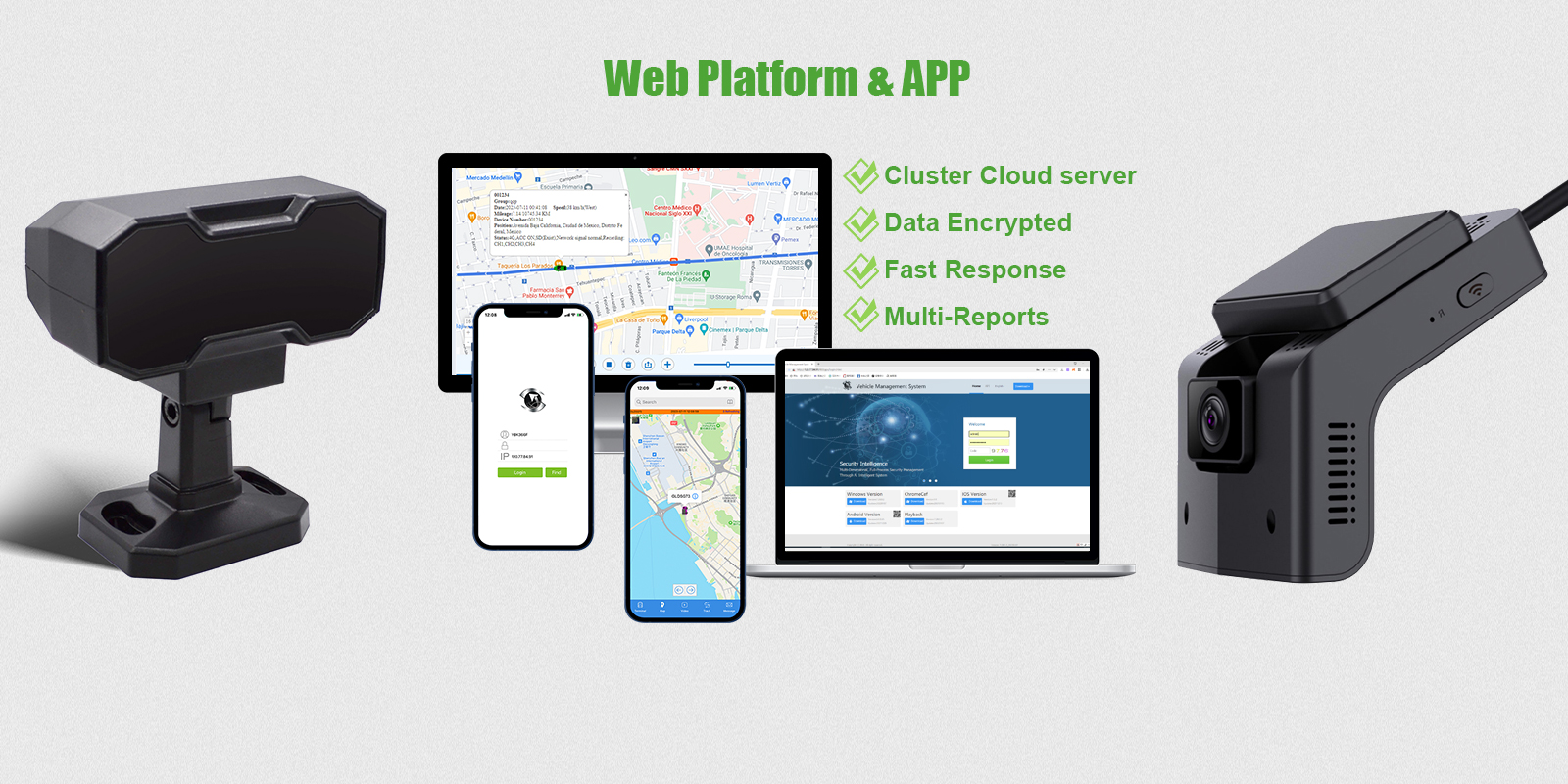
What technologies are used in the driver monitoring system?
Telematics and IoT sensors
AI Camera (Intelligent Dashcam)
VSS (Vehicle Surveillance System)
GPS Tracking and Geofencing
Data Analytics and Automated Reporting
Don't let accident risks threaten your fleet's safety! Use HOPE's driver monitoring system to ensure complete control over your vehicle and driver. Contact us today for safer, more efficient, and more reliable fleet operations!
http://www.hopecctv.com
Shenzhen HOPE -
AuthorPosts

- You must be logged in to reply to this topic.