- This topic is empty.
-
AuthorPosts
-
2026-08-10 at 4:09 pm #89038
Marine electrical systems operate in some of the harshest environments on earth. Constant exposure to moisture, salt spray, vibration, fluctuating loads, and unstable shore power creates unique challenges that land-based electrical equipment rarely encounters. Among the essential components that ensure safe and reliable onboard power distribution, the marine isolation transformer plays a critical role.
Whether you're building a new vessel, upgrading an existing electrical system, or selecting equipment for commercial ship projects, one of the most common questions is:
Should you choose a single-phase or a three-phase marine isolation transformer?
The answer depends on several factors, including vessel size, onboard electrical loads, available shore power, operational requirements, efficiency expectations, and future expansion plans.
This comprehensive guide compares single-phase vs three-phase marine isolation transformers, helping shipowners, marine engineers, boat builders, and procurement specialists make informed purchasing decisions.
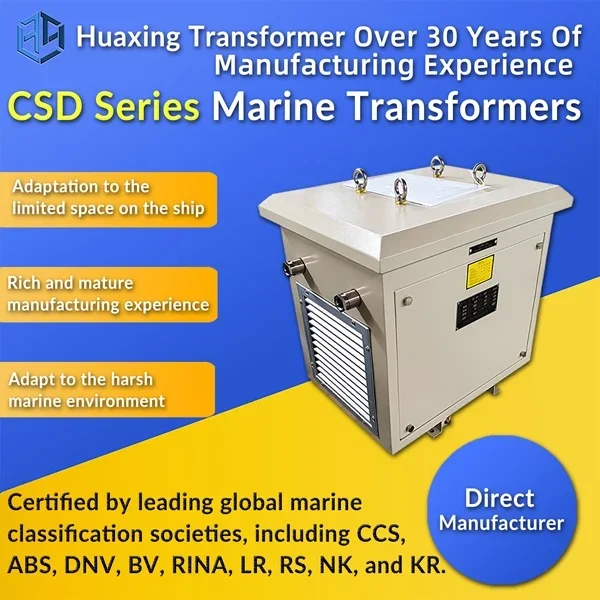
What Is a Marine Isolation Transformer?
A marine isolation transformer is a specially designed transformer that electrically separates the shore power supply from the vessel's onboard electrical system while transferring power through magnetic induction.
Unlike standard transformers, marine isolation transformers are engineered specifically for maritime environments, providing:
-
Galvanic isolation
-
Shock protection
-
Corrosion prevention
-
Voltage conversion
-
Noise suppression
-
Stable power distribution
-
Compliance with marine electrical standards
Because there is no direct electrical connection between the shore and the vessel, unwanted current paths are eliminated, significantly improving onboard safety.
Why Isolation Transformers Are Essential for Marine Applications
Ships constantly connect to different shore power systems around the world. Voltage, grounding methods, frequency, and power quality often vary from one port to another.
Without proper isolation, vessels may experience:
-
Galvanic corrosion
-
Ground loop currents
-
Electrical interference
-
Equipment failures
-
Crew safety hazards
-
Damage caused by unstable shore power
A properly selected marine isolation transformer minimizes these risks while ensuring clean, reliable electrical power.
Understanding Single-Phase Marine Isolation Transformers
A single-phase marine isolation transformer transfers electrical energy through one alternating current waveform.
It is commonly used on:
-
Small boats
-
Recreational yachts
-
Fishing boats
-
Sailboats
-
Small workboats
-
Patrol boats
-
Pleasure craft
Typical voltage ratings include:
-
120V
-
230V
-
240V
Power capacities generally range from a few hundred VA up to approximately 25 kVA, depending on the application.
Advantages of Single-Phase Marine Isolation Transformers
Lower Initial Cost
Single-phase units are generally less expensive than three-phase models because they use fewer windings and simpler construction.
This makes them ideal for smaller vessels with limited electrical loads.
Compact Size
Because they contain fewer components, single-phase transformers occupy less space, making installation easier in tight engine rooms or electrical compartments.
Easier Installation
Marine electricians often find single-phase systems simpler to install and maintain.
Fewer conductors and less complicated wiring reduce installation time.
Ideal for Small Electrical Loads
Most recreational vessels primarily operate:
-
Lighting
-
Refrigerators
-
Navigation equipment
-
Communication systems
-
Air conditioning (small units)
-
Chargers
-
Entertainment systems
These loads usually do not require three-phase power.
Limitations of Single-Phase Marine Isolation Transformers
Although suitable for many vessels, single-phase transformers have limitations.
Lower Power Capacity
They cannot efficiently handle very large electrical loads.
Heavy industrial equipment can quickly exceed their capabilities.
Less Efficient for High Loads
As power demand increases, current also increases significantly, resulting in:
-
Higher conductor losses
-
Larger cable sizes
-
Increased heat generation
Limited Industrial Compatibility
Many commercial marine systems use three-phase equipment, making single-phase transformers unsuitable.
Understanding Three-Phase Marine Isolation Transformers
A three-phase marine isolation transformer transfers power through three synchronized AC waveforms separated by 120 electrical degrees.
This design provides continuous and balanced power delivery.
Three-phase transformers are commonly found on:
-
Cargo ships
-
Offshore platforms
-
Passenger ferries
-
Cruise ships
-
Naval vessels
-
Research vessels
-
Large fishing fleets
-
Industrial workboats
Typical voltages include:
-
380V
-
400V
-
415V
-
440V
-
480V
-
690V
Power ratings often range from 10 kVA to several thousand kVA.
Advantages of Three-Phase Marine Isolation Transformers
Higher Efficiency
Three-phase systems transfer more power using less conductor material.
For the same power output, current in each conductor is lower than in comparable single-phase systems.
Benefits include:
-
Reduced copper losses
-
Lower operating temperatures
-
Improved efficiency
-
Better long-term operating costs
Supports Heavy Marine Equipment
Many marine systems require three-phase power, including:
-
Propulsion motors
-
Large pumps
-
Hydraulic systems
-
Compressors
-
HVAC equipment
-
Winches
-
Thrusters
-
Crane systems
A three-phase transformer ensures these systems operate efficiently.
Improved Voltage Stability
Balanced three-phase loads reduce voltage fluctuations.
This results in:
-
Better equipment performance
-
Reduced motor vibration
-
Longer equipment life
-
Improved power quality
Better Scalability
Commercial vessels frequently expand their onboard electrical systems over time.
A properly sized three-phase transformer allows future equipment additions without replacing the entire transformer.
Limitations of Three-Phase Marine Isolation Transformers
Despite their advantages, three-phase transformers are not always the right solution.
Higher Purchase Cost
More windings, additional insulation, and larger cores increase manufacturing costs.
Larger Physical Size
Three-phase units occupy more installation space and weigh considerably more.
This may be unsuitable for smaller vessels.
More Complex Installation
Installation requires experienced marine electricians.
Proper phase balancing and protection coordination are essential.
Single-Phase vs Three-Phase Marine Isolation Transformer Comparison
Feature Single-Phase Three-Phase Typical Vessel Size Small Medium to Large Initial Cost Lower Higher Installation Simple More Complex Maintenance Easier Moderate Efficiency Good Excellent Power Capacity Low to Medium Medium to Very High Motor Applications Limited Excellent Future Expansion Limited Excellent Weight Light Heavy Footprint Compact Larger
Which Vessels Usually Use Single-Phase Transformers?
Single-phase marine isolation transformers are commonly installed on vessels where electrical demand remains relatively modest.
Typical examples include:
Recreational Boats
Weekend boats and pleasure craft usually have simple electrical systems.
Loads are mostly residential-type appliances.
Sailing Yachts
Most sailing yachts operate:
-
Battery chargers
-
Inverters
-
Lighting
-
Electronics
-
Small air conditioners
These applications rarely justify three-phase systems.
Small Fishing Boats
Independent fishermen often prioritize affordability and ease of maintenance.
Single-phase transformers provide sufficient protection without unnecessary cost.
Which Vessels Need Three-Phase Marine Isolation Transformers?
Commercial marine applications generally require higher-capacity electrical systems.
Examples include:
Cargo Ships
Container ships operate numerous high-power systems simultaneously, including:
-
Cargo pumps
-
Refrigeration
-
Navigation
-
Engine auxiliaries
Three-phase power is essential.
Passenger Ferries
Passenger comfort depends on reliable operation of:
-
HVAC
-
Elevators
-
Kitchen equipment
-
Water treatment
-
Lighting
Three-phase transformers provide stable distribution.
Offshore Support Vessels
Dynamic positioning systems, cranes, and drilling support equipment create large electrical demands.
These vessels almost always require three-phase isolation transformers.
Factors to Consider Before Choosing
Selecting the right marine isolation transformer involves more than simply deciding between single-phase and three-phase.
Total Electrical Load
Calculate both:
-
Continuous load
-
Peak load
Always leave adequate safety margin for future expansion.
Shore Power Availability
Different ports supply different electrical systems.
Verify:
-
Voltage
-
Frequency
-
Phase configuration
-
Grounding method
Your transformer should be compatible with expected shore power.
Equipment Type
Review all onboard equipment.
If most loads are:
-
Motors
-
Pumps
-
Compressors
Three-phase power is usually preferred.
Installation Space
Transformer dimensions can significantly affect installation.
Measure:
-
Electrical room size
-
Cooling clearance
-
Lifting access
-
Ventilation
Space limitations may influence your choice.
Weight Restrictions
Smaller vessels often have strict weight limitations.
Single-phase transformers generally reduce structural loading.
Environmental Protection
Marine transformers should include features such as:
-
Anti-corrosion coatings
-
Moisture-resistant insulation
-
Marine-grade enclosures
-
Vibration-resistant construction
-
High ingress protection ratings
These features improve long-term reliability in harsh marine environments.
Can a Single-Phase Transformer Be Upgraded Later?
Technically, replacing a single-phase transformer with a three-phase model is possible.
However, upgrading often requires replacing:
-
Distribution panels
-
Protective devices
-
Power cables
-
Circuit breakers
-
Motor controls
Planning for future expansion during the initial design stage is usually more economical.
Energy Efficiency Comparison
Three-phase transformers generally outperform single-phase models when operating under high loads.
Reasons include:
-
Lower current per conductor
-
Reduced copper losses
-
Better magnetic balance
-
Lower operating temperatures
However, on lightly loaded vessels, the efficiency difference may not justify the higher investment.
Choosing a transformer that closely matches the vessel's actual power requirements often delivers the best long-term value.
Final Verdict: Which Marine Isolation Transformer Is Better?
There is no universal answer because the best choice depends on your vessel's operational needs.
A single-phase marine isolation transformer is generally the better option for smaller boats, yachts, and light-duty marine applications where electrical loads are modest, installation space is limited, and cost is a key consideration. It offers a compact, economical, and easy-to-maintain solution for protecting onboard electrical systems.
A three-phase marine isolation transformer, on the other hand, is the preferred choice for commercial vessels, offshore platforms, ferries, research ships, and other large marine applications that rely on high-power equipment. It delivers superior efficiency, greater power capacity, improved voltage stability, and better scalability for future system expansion.
Before making a final decision, carefully evaluate your vessel's total electrical load, the type of onboard equipment, available shore power, installation constraints, and long-term operational plans. Consulting an experienced marine transformer manufacturer can help ensure the selected solution provides safe, reliable, and efficient power throughout the vessel's service life.
Ultimately, choosing the right marine isolation transformer is not simply about selecting between single-phase and three-phase systems—it's about matching the transformer's capabilities to the real-world demands of your marine application, ensuring dependable performance, enhanced safety, and long-term value.
http://www.huaxingtrans.com
huaxingtrans -
-
AuthorPosts

- You must be logged in to reply to this topic.