- This topic is empty.
-
AuthorPosts
-
2026-11-03 at 4:30 pm #89917
Understanding the Copper Bar Processing Fee in Today’s Market
For buyers researching the cost of copper bar processing fees in 2024, one fact stands out immediately: copper products are not priced the same way twice in a row. Unlike many industrial materials with fixed price lists, copper bars, busbars, and related conductive forms follow a floating pricing model described industry-wide as "LME/SHFE Copper Price + Processing Fee." This means the final cost a buyer pays is made up of two distinct components — the fluctuating base metal price tied to the London Metal Exchange (LME) or Shanghai Futures Exchange (SHFE), and a separate processing fee that reflects the manufacturing work required to turn raw copper cathode into a finished, usable product.
This structure explains why quoted prices for copper bars can change daily. The metal price component moves with the exchange, while the processing fee portion is where a supplier’s manufacturing capability, quality control, and service model actually make a difference. Understanding this distinction is the first step for any purchaser trying to evaluate whether a quoted price is reasonable.
Why the Processing Fee Varies by Grade and Temper
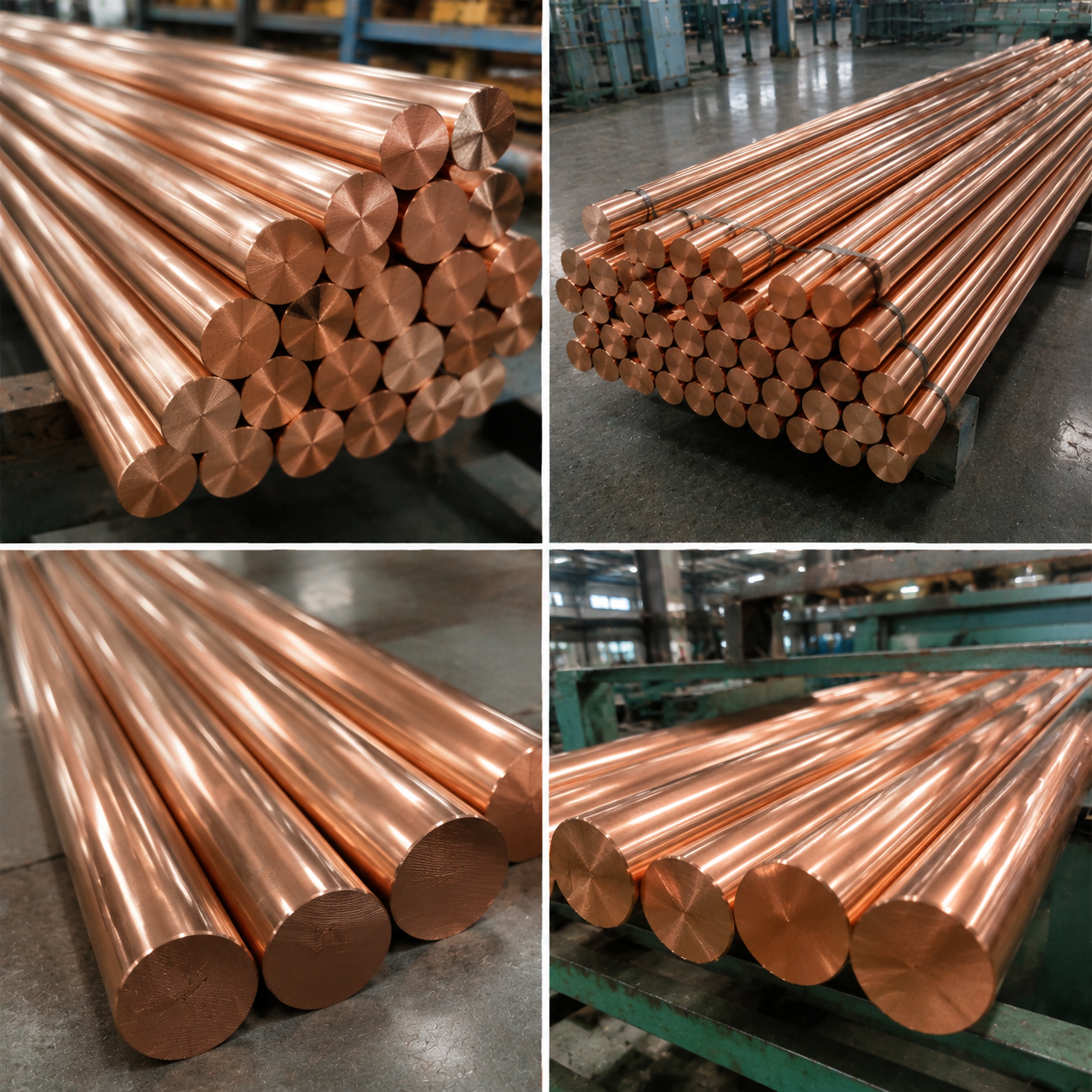
Not all copper bars are created equal, and the processing fee reflects that. Pure copper, commonly referred to as red copper, offers superior electrical and thermal conductivity and is the preferred choice for busbars, conductive components, heat exchangers, and piping. Within pure copper, grades are further divided by oxygen content and deoxidation method into tough-pitch copper (electrolytic tough-pitch copper), oxygen-free copper, and phosphorus-deoxidized copper. Representative grades include T1, T2, T3, TU1, TU2, TP1, and TP2, each with a defined minimum copper content — for example, T1 requires copper content of at least 99.95%, while TP2, deoxidized with 0.004%–0.040% phosphorus, is the most widely used grade for water pipes, gas lines, heat exchangers, and air conditioning tubing.
For conductive busbars specifically, pure copper busbars such as TMY or T2 — equivalent to the ASTM designation C11000 — are the recommended choice. Buyers evaluating a quote should confirm electrical conductivity, typically expected to be at or above 46 m/(Ω·mm²) at 75°C, along with straightness and cross-sectional dimensions. The temper designation also affects both performance and processing complexity: soft temper (M) offers high ductility for bending and deep drawing; half-hard (Y2) balances strength and ductility; hard temper (Y) delivers rigidity but limited formability; and specialized designations such as O60, used in air conditioning tube applications, indicate a soft-annealed state recognized across the refrigeration industry. Each temper requires different annealing and cold-working steps, which is directly reflected in the processing fee.
The Production Process Behind the Price
The processing fee is not an arbitrary markup — it corresponds to a defined sequence of manufacturing steps. Copper bar and busbar production typically begins with copper cathode containing at least 99.95% copper content, which may be blended with qualified scrap depending on grade requirements. The material then proceeds through smelting and casting, where induction or reverberatory furnaces melt the metal for continuous casting and rolling or ingot casting. For phosphorus-deoxidized copper, a Cu-P alloy addition is required during this stage, as controlling oxygen content is critical; incomplete deoxidation risks porosity and hydrogen embrittlement in the finished product.
From there, hot working breaks down the as-cast structure — heating billets above the recrystallization temperature, typically in the 800–950°C range for hot rolling, which eliminates porosity and refines grain structure. Cold working follows, including cold rolling, drawing, or wire reduction to achieve precise dimensional accuracy; because cold working causes work hardening, alternating annealing steps are necessary to restore workability. Heat treatment then establishes the final temper, followed by straightening and cutting to length. Every stage concludes with inspection and packaging, covering chemical composition, mechanical properties, electrical conductivity, flaw detection, dimensions, and surface quality before moisture-proof packaging and warehousing.
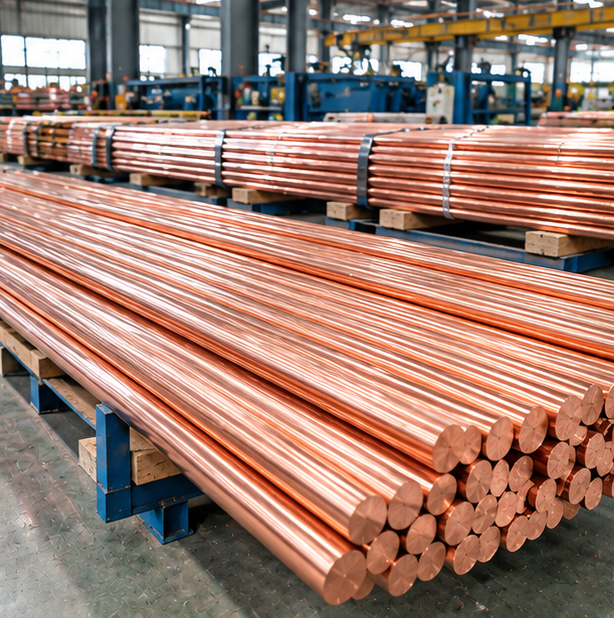
For copper busbars specifically, the typical process route runs from copper cathode through melting, upward casting into rod form, extrusion, drawing, cutting to length, inspection, and finally warehousing. Each of these steps contributes labor, energy, and quality-control cost, which together form the processing fee portion of the final price.
Quality Control Points That Justify the Processing Fee
A lower processing fee is not automatically a better deal if it comes at the expense of quality control. For copper busbars and bus conductors, key control points include straightness — often held to tolerances such as 0.5 mm/m — along with electrical conductivity, edge chamfering, and dimensional tolerances. For copper tubes, wall thickness uniformity, inner surface cleanliness, and grain size in the annealed state are essential, with air-conditioning tubes additionally requiring eddy current testing and hydrogen embrittlement testing. Copper plates and strips must meet thickness tolerance, flatness, and surface quality standards to ensure stamping formability, while copper wire requires strict control over diameter tolerance, conductivity, wire breakage rate, and flexibility. These verification steps are what allow a buyer to trust that a quoted processing fee reflects real manufacturing value rather than cut corners.
Getting an Accurate 2024 Quote
Because the base metal price changes daily and the processing fee depends on specification details, buyers seeking an accurate 2024 cost estimate should be prepared to specify four key elements when requesting a quote: grade, temper, cross-section, and applicable standard. Suppliers working under this floating pricing model, including Jiangsu Xinxiangsheng Special Steel Co., Ltd., can clarify the pricing cycle and explain the method used to lock in a price, often referred to as price-fixing, so that buyers understand exactly how the final cost is determined before committing to an order.
Documentation also plays a role in evaluating total value. Material and quality certificates covering chemical composition, mechanical properties, and electrical conductivity should be available, and third-party or commercial inspection reports can typically be issued upon request. Jiangsu Xinxiangsheng Special Steel Co., Ltd., operating under the Xinxiangsheng Special Steel brand, supports this transparency by aligning its production chain — from copper cathode sourcing through smelting, hot and cold working, heat treatment, and final inspection — with the grade standards referenced above, including correspondence between Chinese national standard grades such as TP2 and T2 and their ASTM equivalents C12200 and C11000.
Conclusion
The cost of copper bar processing fees in 2024 cannot be reduced to a single number, because it is inherently a variable figure built on two moving parts: exchange-based metal pricing and manufacturing-based processing costs. Buyers who understand grade selection, temper requirements, and the underlying production process are better positioned to evaluate whether a quoted processing fee reflects genuine manufacturing value. Working with a supplier such as Jiangsu Xinxiangsheng Special Steel Co., Ltd., which can clearly communicate its pricing structure, process controls, and inspection documentation, gives purchasers the information needed to make an informed decision rather than comparing prices in isolation.
copper-xxs.com
Jiangsu Xinxiangsheng Special Steel Co., Ltd. -
AuthorPosts

- You must be logged in to reply to this topic.